An Interview with Katie Grace Cooper
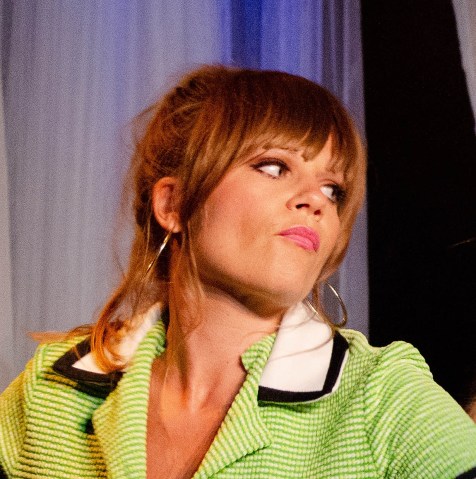
Interactive Theatre International are bringing four shows to the Fringe this year, & the Mumble managed a glass of bubbly & a wee blether with the creator of their newest piece, Pamela’s Palace…
Hello Katie, so where ya from & where ya at, geographically speaking?
Katie: I was born a Suffolk lass but soon migrated to Essex where I really embraced the local culture.
When did you first develop a passion for theatre?
Katie: When I was five I was given the role of Burlington Bertie from Bow. I wore a moustache and had a cane. I was awesome. I still remember the song “I’m Burlington Bertie, I rise at 10:30 and saunter along like a toff”. And I fell in love from there.
Can you tell us about your training in the clowning arts?
Katie: A while ago I heard about this performance technique where you look right at the audience and ask “do you love me?” I remember thinking how awfully pretentious that sounded, but also AMAZING. The connection and sensitivity with the audience felt important so I needed to know more. I started to see performers like Doctor Brown, Trygve Wakenshaw, Julien Coutereau and I was in love. I decided to embarked on this (frankly, incredible) journey and I had the honour of learning from clown and comedy masters like Gaulier, Cal McCrystal, Paul Hunter and Mick Barnfather. That’s not even an exhaustive list. In a lot of ways I still feel at the beginning of my journey. I think I will always feel that way – the more you learn, the more you realise how much there is that you don’t know.
What is it about performing live that makes you tick?
Katie: I think there is something in those magical moments when things go wrong, or not quite according to plan. In a lot of ways, it’s a relief for the audience because everyone can relate to failure; and for me, sitting in the comfort of failure, embracing the fragility and unpredictability of performance is when I am most vulnerable and feel most connected to the audience.
You are a lady of versatility & talent, but what does Katie Grace Cooper like to do when she’s not being a creative polymath?
Katie: My fella and I live on a boat, so on my down time we love to travel up and down on the canal!
You’ve got three famous figures from history coming round for dinner. Who would they be & what would you cook; starter, mains & dessert?
Katie: Blimey! That’s a good one. Hmmmmm. So Emma Thompson is definitely one. I would ask her to perform her beautiful scene in Love Actually with the Joni Mitchell CD. Jill Soloway, who is the writer of epic series Transparent. I would basically try to network and smooze my large (but perfectly formed) behind to get a role in her next series. And finally, Millie Bobby Brown, the Stranger Things star. I would definitely request that she arrived as Eleven. And, obviously it’s a PIZZA PARTY! All the way. Coke floats for dessert.
You have been with Interactive Theatre International for almost three years, how did you get involved & how are you finding it so far?
Katie: My very dear friend, Oliver Harrison, who has been playing Manuel in Faulty Towers The Dining Experience for a few years, informed me that they were auditioning for the bride in The Wedding Reception. So I went along to an audition and was very lucky to be given the job!
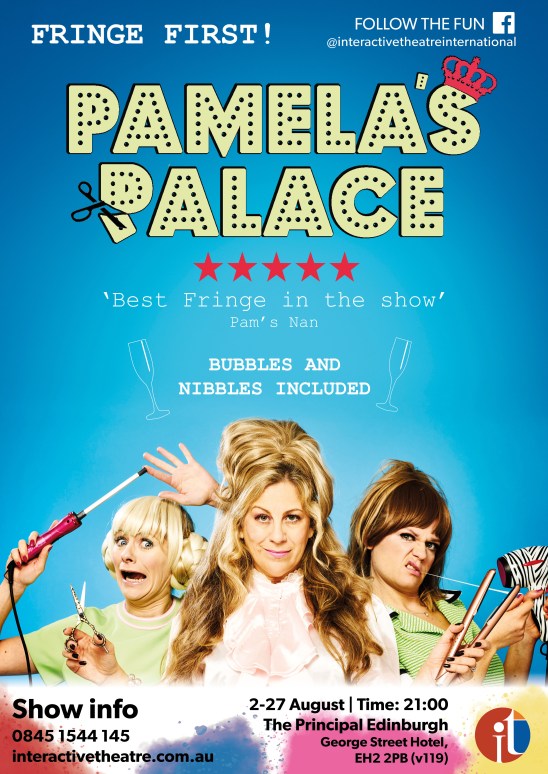
This Fringe you are part of Pamela’s Palace, in fact you co-wrote & devised it. Can you tell us about the show?
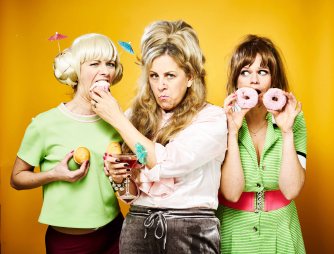
Katie: I love this show! It’s an interactive comedy set in a hairdressers. We’re working with an all female cast (even directed by a lady) and we’re looking at topics that are affecting women today – age, beauty, the pressures of being a woman, strength, weakness, vulnerability. It’s just about being human in an unforgiving world but it definitely brushes cheeks with feminism. It’s also so much fun! There are dance routines, original music and three really funny women.
Are you excited about bringing your creative brain-child to the Fringe?
Katie: The most excited I have ever been. There is nothing like coming to the Fringe with a show you are really proud of. We are really, truly proud of Pamela’s Palace.
You’ve got 20 seconds to sell the show to somebody in the street, what would you say?
Katie: This is a comedy show with sharp jokes, good dancing, and your ticket includes free bubbles and nibbles!!!!
Can you describe the experience of performing at the Fringe in a single sentence?
Katie: The most mentally and emotionally challenging month, but also the best experience of your life!
What does the rest of 2018 hold in store for Katie Grace Cooper?
Katie: Touring Pamela’s Palace around the world! Well, maybe not the world, but we are hoping to take her to Melbourne Comedy Fringe and Adelaide next year.
Pamela’s Palace
Venue 119: Principal Edinburgh George Street, 19-21 George Street, Edinburgh EH2 2PB
Dates: 2, 5, 6, 9, 10, 12, 13, 15, 17, 19, 22, 23, 24, 26, 27 August 2018
Times: all performances at 9pm, doors 8:30pm.
Tickets – all tickets include 1-hour show, nibbles and a glass of bubbles: £25.00
www.interactivetheatre.com.au
An Interview with Sam Rees
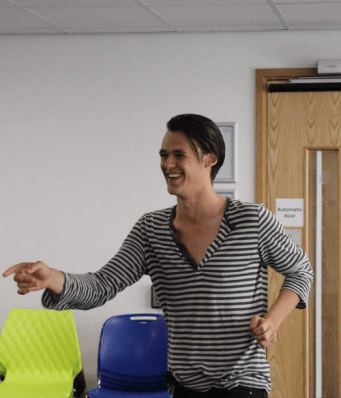
Sam Rees possesses a brilliant theatrical mind, & is just about to unleash a Nick Cave inspired, dreamy love paean upon the Fringe. The Mumble managed a wee blether…
Hello Sam so where ya from & where ya at, geographically speaking?
Sam: Hi! I was born in North-East London but moved to East Anglia when I was 2. I grew up in a town called Bury St Edmunds, about 20 minutes from Cambridge.
When did you first find yourself getting into the dramatic arts?
Sam: Looking back, I think when I learnt all the words to ‘Commotion in The Ocean’ before I could read, it was already pretty inevitable.
What does Sam Rees like to do when he’s not being creative?
Sam: Mainly earn money in order to be creative! But I also love music and have recently gotten back into swimming after some less than healthy years at university.
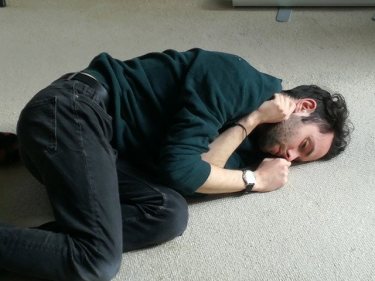
How, where, when & why were ‘We Talk Of Horses Theatre’ formed, & what is your role in the company?
Sam: The company was formed by me and one of my bestest mates, Pip Williams, who also studied drama at UEA. We solidified around an idea about July 2017. We’re both artistic directors, as well as (for this project) writers and performers. We brought in another mate to direct, another to do the music, and another to do the publicity art. Next time round I think the pair of us would like to switch up our roles again, scare ourselves a bit.
What is the company ethos, exactly, what are trying to achieve?
Sam: We formed because we believe that when it really comes down to it theatre is more collaborative than it is competitive. Particularly in this day and age, with more and more people wanting to succeed at it, we think it’s so, so important to form bonds, compromise, make friends, share ideas, enrich each other. No man’s an island. As we expand we want to bring more and more people in, add more talent to the melting pot.
Last year you were in Edinburgh with Suited Elephant’s ‘POV,’ how did you find the experience?
Sam: That was an amazing experience. And for me, very formative. It was a verbatim show about pornography, and as such there was no proper writing involved, but I was given the opportunity to lead some workshops and put the piece together, edit, arrange, be a dramaturg essentially. I don’t think any of us had worked on a piece like it before, so we were quite unsure about how it would be received. Then we got there and spoke to our audiences, saw we were getting some 5 star reviews, and it just took us aback. To be validated in that way is very intoxicating. It made me realize I wanted to make work, not just be in it.
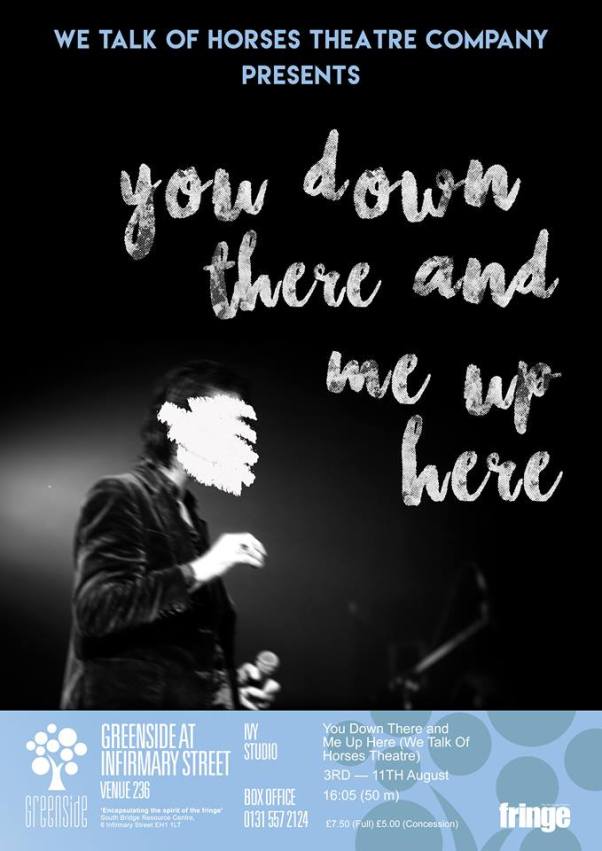
This Fringe you will be bringing You Down There and Me Up Here, can you tell us about the show?
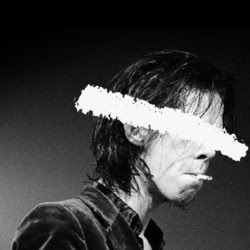
Sam: I don’t want to just bash out the flyer blurb, but the quick pitch is it’s about two young men struggling to hang onto their identity in the face of crisis. One is a recovering heroin addict who is convinced he’s the rock star Nick Cave (and maybe he is) the other is a man who has fallen head-over-heels in love with someone while already being in a relationship. It follows their parallel journeys, their struggles to fulfil their desires, and how they change for the better or worse. It’s about the nature of truth, our expectations from life, how we see love and devotion, what it means to be obsessed with someone, and the difference between who we are and how we are seen.
Where did the idea come from for You Down There And Me Up Here?
Sam: The pair of us had been struggling with a direction for a few months, and then we experienced some work that seemed to point a way ahead-particularly ‘Sad Little Man’ by Pub Corner Poets and ‘Men In The Cities’ by Chris Goode. We wanted to make something lyrical, almost like prose-poetry, but also something cathartic, where we could try and crush a few of our own demons along the way.
Why Nick Cave?
Sam: We both love him. I think he’s extraordinary. And his music is equal parts violent and romantic, fevered and beautiful. It had to be someone we both idolized to an extent, for the basis of the show to work.
You’ve performed the play already this year in Norwich and London. How did it go & are you tweaking as you go along?
Sam: Yes we’ve tweaked, mainly in order to make the show say what it’s trying to say better, to be its best self. It’s been hugely educational both times. I’m personally very happy with the five shows we’ve so far done, and I think they will go to strengthen our performance at the Fringe. We’ve ironed out the cracks now, it’s tight and muscular and dynamic and ready for whatever Scotland throws us at us!
Do you & the cast socialize outside rehearsals?
Sam: Yes, excessively. To the point where we have already come up with some rules about not going straight to the pub after every show in Edinburgh.
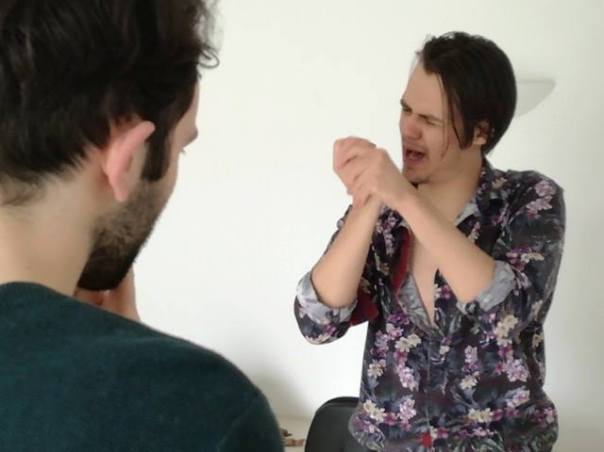
What do you hope an audience member will take away from the show?
Sam: It might frustrate them, it might confuse them, hopefully it will touch them on some level. It’s very wordy and dense at time but I really think fundamentally it’s got a huge, beating heart at the middle of it. So it would be nice if people see something of themselves in it. So far it’s always been a show people want to talk to us about, have questions about, want to unpick, and for me that’s a huge compliment. You want people nattering about it at the bar afterwards.
You’ve got 20 seconds to sell the show to somebody in the street, what would you say?
Sam: Well, I’d ask them if they’ve ever been in love with the wrong person? Whether they’ve ever treated someone close to them in a way they shouldn’t? Whether they’ve ever been unsure of who they are or what they really stand for in the world? And if I get a reluctant nod to any of those questions you can bet I’m shoving a flyer in their hand!
What will Sam Rees & We Talk of Horses be doing after the Fringe
Sam: Personally, I will be sleeping, eating some greens, earning back a bit more money. We’ve got some possible places we can take this show, but we’ve also got ideas coming out of our ears for the next one, and we’re still so young, so I reckon we’re going to try out as many different things as possible. It’s our time to learn, and fail and get better. And for making more friends along the way!
You Down There & Me Up Here
Greenside Infirmary Street, Ivy Studio,
Aug 3-11 (16:05)
Tweets by @WTOHTheatre
Conspiracy
Assembly Roxy
Edinburgh
11th July 2018
Script:  Stagecraft:
  Performance:
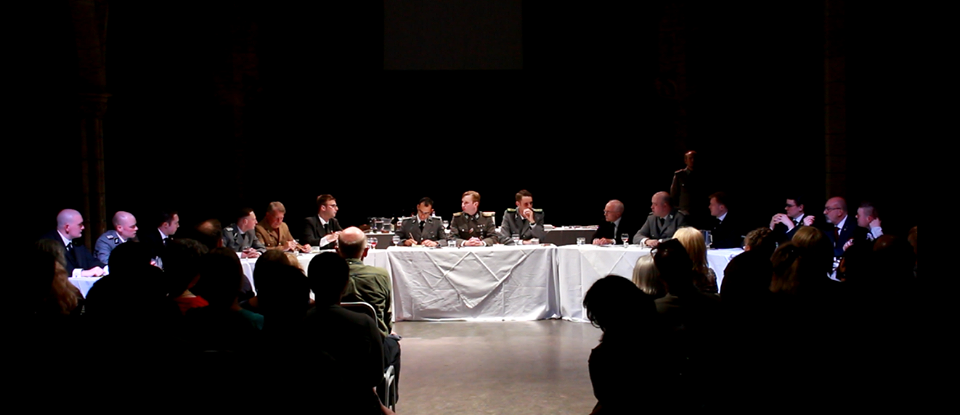
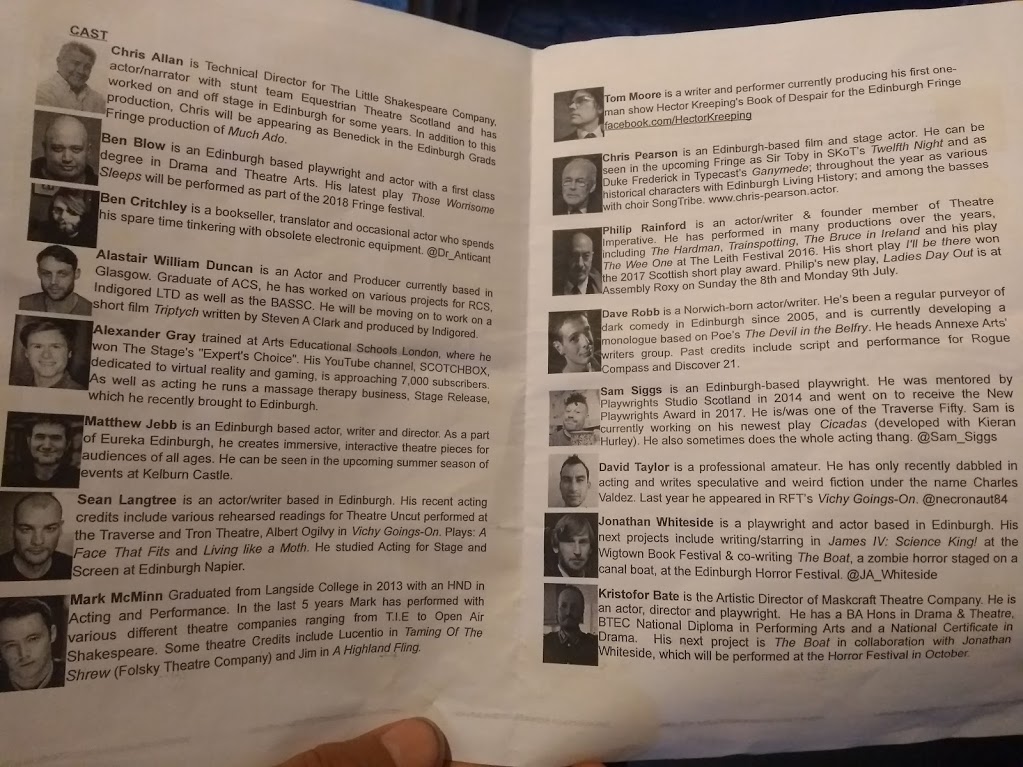
The dashing, young, talented director that is Robin Osman seems to like World War 2. Last year he brought a Vichy France inspired piece to the Edinburgh Fringe, & the other day, for two nights, he served up Loring Mandel’s very excellent Conspiracy at the Assembly Roxy. His cast mirrored that of the film The Expendables, but here the Hollywood A-Listers are Edinburgh theatrical Don Juans such as Ben Blow, Matthew Jebb, Chris Pearson & Jonathan Whiteside.
 Conspiracy is a play about the now infamous meeting at Am Großen Wannsee 56–58, a grandiose villa at the edge of Berlin, lapping against gorgeous lake waters &, in January 1942, the setting for the most terribly implicative ninety minutes of conversation the world has ever known. The Endlosung had come, the Jewish Question had an answer. From ‘Vladivostok to Belfast’ there would be ‘no Jews, not one!’ all murdered by poison gas in efficient factory fashion & cremated into dust. The drama of the piece is contained in small measure within the personalities of the fifteen high-ranking German officials at the meeting, but it really pursues our psyches like a slavering beastie thro’ the monstrous promises of ghastly futurity polluting the play’s dialogue. The author, Loring Mandel, imagined the scene at Wansee & replicated its oral ambience to the best of his abilities; which means, pretty much, its brilliant.
Conspiracy was at first a joint HBO-BBC TV special, which won an Emmy, a Golden Globe & a Bafta, & was created on the back of a single document found in Berlin – the only one that was never destroyed. Of his use of this materielle, Mandel told the Mumble;
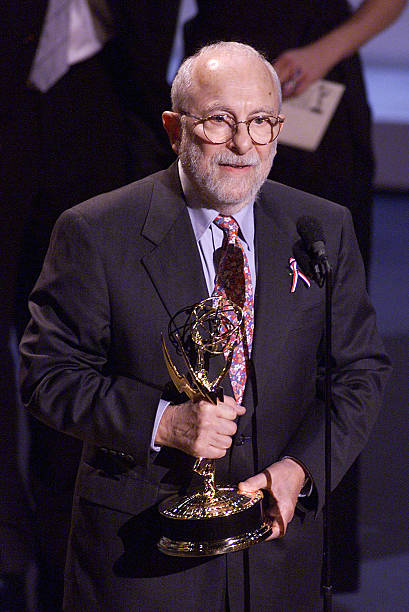 The document that survived was very highly redacted, by three different people: first by Eichmann, then by Müller, then by Heydrich himself. So all that it really contains is the cast of characters and the sequence of events, the agenda. But there’s other information—not much, but there are comments that Eichmann made when he was captured and more comments during his trial. That’s really the only hard material we have. So I spent a couple days in the archives of the Holocaust Museum finding out as much as I could about as many of the participants as I could locate in those files. I also looked at the transcripts of the Eichmann testimony. Then I did research at the Leo Baeck Institute in New York, the YIVO Institute for Jewish Research in New York, the museum in the building where the conference took place, and Simon Wiesenthal Center in Los Angeles. When I had enough of a feel of the background of the participants, plus what I had gotten from the conference itself, I wrote the first draft, and that was finished in January of ’98. That was submitted to HBO, they said they wanted to proceed with it, and they hired a full-time researcher to provide supplementary material, and she was able to find out a great deal more of the background of the characters than I had been able to get. We ended up with tremendous amounts of research
A few years later, Mandel decided to reconvene his TV classic with the stage. ‘The film is a one-eye process,’ he told us, ‘it’s monocular. Stage is binocular, and it makes a real difference. In film, it’s easy to begin a scene in the middle of a sentence, because you can cut into it. You can’t do that on the stage because the character is there and talking before, unless you do it all with lights, and then it really isn’t an adaptation. The only reason that I did a stage version of it is because I felt it was something that people should be made aware of—young people particularly. I thought it was something that schools could do, and churches and synagogues and so on. That’s why, because I never thought it was a big commercial property. So the fact that it’s been exposed here, I think that’s absolutely wonderful.’

L-R = Jonathan Whiteside (Heydrich), Alastair William Duncan (Heinrich Muller), Ben Blow (Otto Hoffman)
So to Edinburgh & the Assembly Roxy. I took my seat in the far top left corner, directly before the end point of a ‘Last Supper’ style arc of tables, behind which was another table corncucoping with fine wines & meticulously laid out chips n dips. Here was David Taylor’s Eichmann – the guy caught by Mossad agents in Argentina in 1960 – the shadowy holder of the scythe, who would greet the 14 guests with a foot-stamping ‘Heil Hitler.’ One of these was Matthew Jebb, whose SS Oberfuhrer Erich Neumann sat down right in front of me, rattling on about the Four Year Plan, & somebody who would one day save lives by requesting that Jewish workers in firms essential to the war effort were not to be deported for the time being.
Dead men don’t hump
Dead women don’t get pregnant
 So in they came, lieutenants of the Nazi experiment, key representatives of agencies created by the Fuhrer in order to transmit his imbecilic White Supremacist philosophies, & to turn them to reality; the ultimate of which was the rendering ‘Judenrein’ of Europa to unfold. At their heart was Jonathan Whiteside’s Heydrich, play’d with a commanding & sneering hostility – like the Devil at icy Cocytus with his anti-pantheon at his feet, his telligible snarl barking his masters’ orders without complaint. ‘After the war this is my home, a marvelous home,‘ he chirps on first arrival. He’d be assassinated in Prague within six months.
As a drama, we had Heydrich’s & Eichmann’s slow roll-out of the Endlosung – half history lesson, half surreal vision – interspersed with excellently presented buffet intermissions where the hubble-bubble mumblings of twos&threes conversations were broken by flash-fires of actual dialogue. It was all such a bouncy script to behold, a masterwork of multiple voices as the single item on the conference’s agenda slowly ripened into truthdom like rapeseed in the Spring. To counteract the growing ‘storage problem‘ of Nazidom’s Jews – millions had been acquired through Hitler’s conquests – euthanasia would be expanded on a massive scale when, to save the soldier’s sense of honour – they didn’t enjoy shooting women & children – the systematic extirpation of a race would be achieved thro’ poison gas. Eichmann’s mini emotional break-down as he described the sounds of the dying being almost drown’d out by a gas-truck’s motors was a high point in the play.
Such a powerful ideological performance was this, that at the end I was waiting for some cretinous Neo-Nazi to stand up applauding wildly & cheering. Of course it never happened, this is gentile Edinburgh, but we were all transfixed by both the morbid curiosity & the elk-paced intensity of the piece. The finely uniformed gentleman actors were as one soul, a very precise & genuine performance. Conspiracy is a warning of how sick & how sterile human compassion can become, & plays handling such hot potatoes of the conscience should be treasured – not for their hateful ideas – but to remedy Wilhelm Friedrich Hegel’s observation that, “We learn from history that we learn nothing from history.”
Damo

An Interview with Allison Hetzel

The International Melting Pot that is the Edinburgh August is the pinnacle of cultural diversity, & the Mumble was happy to find out one of America’s finest theatrical minds is once again returning to the Fringe…
Hello Allison, so where are you from and where are you at, geographically speaking?
Allison: I was born and raised in Southeastern Wisconsin in the town of Elkhorn. It is near Lake Geneva, which is a popular and beautiful place to visit. I currently live in Tuscaloosa, Alabama and have been living here since 2006 when I took a job at the University of Alabama in the Department of Theatre and Dance.
When did you first develop a passion for theatre?
Allison: I was in the fourth grade and was cast in a short play as a singing flower–the experience was memorable as I loved to sing and I got to wear fluorescent face paint that would glow in the black light. We also had a performance at local nursing home for the elderly–that was a moving experience for me at a young age.
What is it about performing that you love the most?
Allison: The connections made by revealing the human condition.
What for you makes a good piece of theatre?
Allison: I think that theatre should reflect life and in that reflection, I want to feel something and learn something. If it makes me laugh or cry along the way then it held my attention and I was able to escape from my own realties for a while. That can be so refreshing.
In your time you have performed at ancient theatres in Greece located at Argos and Spetses. Did you feel like you were communing with the spirits of your art?
Allison: Yes, it was such a powerful experience and working in those ancient theatres was breathtaking. I felt a complete sense of being grounded, and the connections we made as a cast in The Trojan Women are something that I will never forget, and that was over twenty years ago.
I think the Fringe is amazing and if I lived closer I think that I would have returned sooner.
You’ve got three famous figures from history coming round for dinner. Who would they be & what would you cook; starter, mains & dessert?
Allison: Hmmm, these are always the hardest questions for me. I would start with a light summer salad (spinach, corn, feta, watermelon), followed by seared salmon with a maple-mustard glaze and finish with a Key Lime Pie. My guest list would be: Georgia O’Keeffe, Lillian Hellman, and Joan of Arc.
You’ve performed at the Fringe before, almost a decade ago; how did it go?
Allison: Yes, I performed in 2009 and 2010 and it was a great experience, my show titled: Considering Georgia O’Keeffe, is based on the life and work of the artist. Quite a different show than Step Mama Drama!, my current show is much more personal. I think the Fringe is amazing and if I lived closer I think that I would have returned sooner.
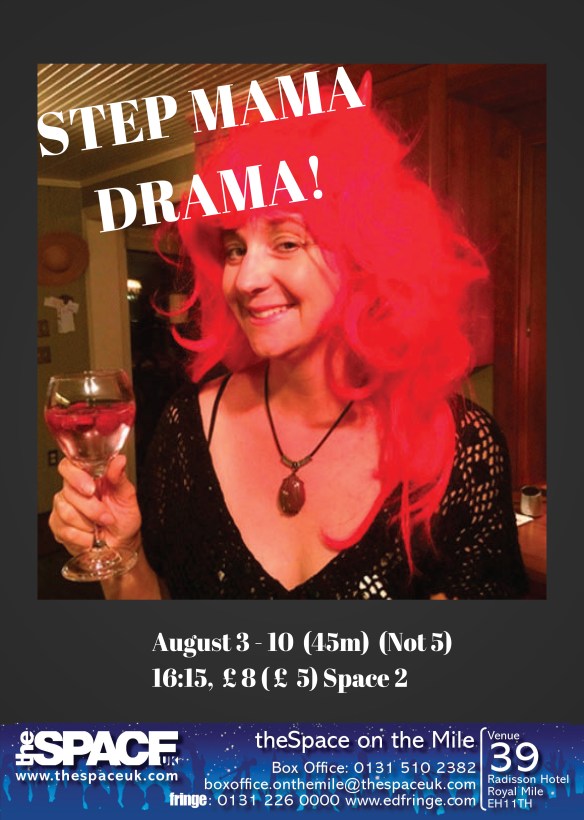
So, you’re bringing your show, STEP MAMA DRAMA!, to this year’s Fringe. Can you tell us about it?
Allison: This show is inspired by my personal experience as stepmom and also includes monologues and moments shared by others who I interviewed for the project. My goal is to show various sides of this complex and often difficult relationship. I also spent time talking with stepchildren as well. When I told people about this show, many began to share their own perspectives on blended families. I listened closely and let them know that what they communicated to me could become part of my show.
You’ve got 20 seconds to sell the show to somebody in the street, what would you say?
Allison: If you are a stepmom or have a stepmom, this show is a must-see!
What will you & your play be doing after the Fringe?
Allison: I will head back to the US for the fall semester at the University of Alabama where I teach in the Department of Theatre and Dance. Plans for my show include further development with composer, colleague, and friend Raphe Crystal to add an element of live music with plans to perform it in New York City in 2019. I would also like to develop the show further with an ensemble cast to show even more range and depth as I plan to continue to conduct interviews based on theme of the show.
Step Mama Drama!
The Space on the Mile
Aug 3-4, 6-10 (16:15)
Tickets: £8.00 (£5.00)
Tweets by @ConsideringGOK
An Interview with Alice Sylvester
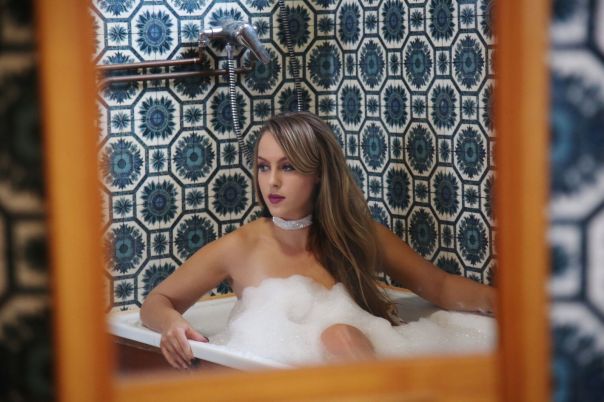
Has it been only a year since Alice Sylvester wowed Edinburgh with her one-woman play about Sylvia Plath? Time flies, but in that time she has come up with something stirringly new. The Mumble caught her for a wee blether…
Hello Alice, so where ya from & where ya at, geographically speaking?
Alice: I grew up in the South Wales valleys, and I still spend a lot of my time there. But over the past few years, I haven’t settled in a place for too long, (I think I get easily bored). I try to travel as much as I can especially while I’m writing. I did live in Edinburgh for a few months this year and I really loved that.
When did you first develop a passion for theatre?
Alice: I discovered creative writing when I was 7, since then all I’ve wanted to do is write. I discovered my passion for being on stage a little later on when I was a teen. It’s kind of funny, I chose performing arts as a school subject because I thought it would be fun and easy- it turned out to be the thing I’ve worked hardest at in my life so far. During the last year of my degree I learned how to write and perform my own plays, which is becoming a little bit addictive since my two favourite things are writing and acting.
What for you makes a good piece of theatre?
Alice: Whatever it is, I want it to move me. I want it to make me think and feel beyond myself, beyond my every day thoughts and feelings. I don’t need to understand it, I don’t need to agree with it, I don’t even need to like it; a good piece of theatre should stir within you, and you leave you a little changed.
You’re washed up on a desert island with an all-in-one solar powered DVD/TV combo & three box set TV shows, what would they be?
Alice: Mad Men is probably my favourite show, Game of Thrones I can (and have) watched for ten consecutive hours, and then Sex and the City is the show I can annoyingly predict every sentence of.
Can you tell us about The Bathtub Heroine?
Alice: I created The Bathtub Heroine theatre company in 2016, with the intention to produce theatre that has captivating leading female roles. More than that, I’m also passionate to allow emerging female artists to develop their skills behind the stage in all areas of theatre creation and production.
Last year you were in Edinburgh with, “Sylvia Plath, Your Words Are Just Dust.” How did it go?
Alice: I had some experience of the Fringe, I had performed there the previous year. But this was my first original show, I was in control of every aspect of producing a show and although I wasn’t scared, I had no idea what I was doing, or how it would be received. But I couldn’t have asked for a better response. I had great audience attendance even some shows were fully sold out, and I received five star reviews that were beautifully written- it was very encouraging. Since then I’ve had an attitude that if I want something, I’ll just go for it, I’ll give it a shot, life’s much more fun that way.
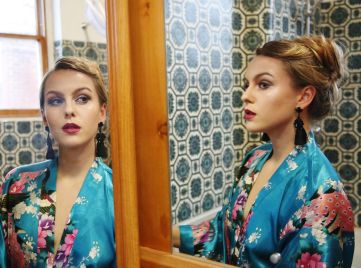
What have you got for us this year?
Alice: “How to Swim in Hollywood” is inspired by the 2017 Hollywood sexual abuse scandals. I wanted to write a piece that shows how cultural norms regarding beauty standards and gender ideals strongly influence sexual exploitation, and the way we understand it. The play is set in Beverly Hills in 1979, and it follows the character of Daisy, a young housewife of a Hollywood icon. Growing up Daisy never learned how to swim, and the main focus of the play flows between her memories of swimming pools at summer and experiences with men. It becomes clear to the audience that Daisy was entirely unprepared for womanhood; her stories of teenage crushes create a picture of a woman who was thrown into the deep end of a world she doesn’t understand. It is intense at moments; it shows the complex nature of rape and coercion, and the ways in which people can struggle to understand abuse.
Why did you set the play in 1979?
Alice: When I began studying the Harvey Weinstein accusations I was quickly drawn back in time to the 1970s- and I learned about director Roman Polanski’s conviction of raping a 13 year old girl (1977). What horrified me the most was not the crime Polanski had committed, but the way that the cultural perspective of the time meant people didn’t perceive his actions as rape. In the light of recent events, it reminds me that just because evil is public knowledge, does not mean that positive change will occur. I want ‘How to Swim in Hollywood’ to encourage people to consider what aspects of current culture are blurring the perspective of sexual exploitation, and how we can educate children and teens to discover their sexuality in a safe and healthy way.

How did you create the character of Daisy & how much of you is there in her?
Alice: The character of Daisy was my first point of inspiration. I had this character in my head for some time, I knew her personality, she lived in L.A, she was young and married, and had a history of sexual abuse. Then months later the Harvey Weinstein scandals hit the news, and when that happened I began to really connect with the world and story of Daisy. There is a lot of myself in the character of Daisy, perhaps even more than I realise. I think that’s necessary when I create a one-woman show; I’m enticed by characters I can understand, I can relate to them if I share an element of their pain. In comparison to the woman I am today Daisy is very different to me. But she is perhaps a version of a woman I could have become if I didn’t grow tired of allowing negative influences in my life, and if I never began to make womanhood the experience I want it to be.
You’ve got 20 seconds to sell the show to somebody in the street….?
Alice: This is a powerful performance, a dark and beautiful show, an important perspective inspired by the recent Hollywood abuse scandals.
Can you tell us about your stagecraft; the music, sound & stage design?
Alice: I would describe the play as dreamy- the main character is alone in her bedroom, overlooking L.A at night, and the only stage set is her vanity table, a symbol for what is at the centre of her existence. She flows from conscious thought to past memories; there is a piece of atmospheric underwater music written for the play and a few of my favourite 70s hits. I wanted everything to be soft, and hypnotic from the physicality to the sound and light design. I like the idea of creating a play that is visually sweet, soft, and delicate but gradually pulls you into its dark undercurrent.
How will you know & feel when you have just given a good performance?
Alice: I will feel relaxed, even when I have performed scenes that were intense and dramatic. I know when a performance is great because it felt natural and organic. I should sink effortlessly into the character and welcome the audience into the world of the play with ease. It’s sort of a seductive feeling, which is a funny thing to say, but yeah, that’s how I would describe it- a good performance feels great; I’m seducing myself and the audience into the fictional world of the play.
Can you describe the experience of performing at the Fringe in a single sentence?
Alice: It is a financially devastating, emotionally draining, alcohol fuelled, wild, hilarious, and wonderful adventure.
What will you be doing after the Fringe?
Alice: My next stop will be New York in November, I’m performing ‘Sylvia Plath, Your Words Are Just Dust’ at Theatre Row on 42 Street, as a part of UnitedSolo- the world’s largest solo theatre festival. After that I’ll hopefully spend some time outside of the UK, find a city that excites me and start writing something new.
How to Swim in Hollywood

Greenside, Infirmary Street
Aug 5-11,13-18 (22:00)
Tickets: £10.00, 7.00 (con) BO: 0131 557 2124
Tweets by @how_hollywood
www.thebathtubheroine.com
An Interview with Mark Down
![[HENRY] _[blindsummit]_pressimage1.jpeg](https://mumbletheatre.uk/wp-content/uploads/2018/06/henry-_blindsummit_pressimage1.jpeg?w=592&h=445)
There is something quite brilliant about the dramaturgical puppetry of award-winning Blind Summit. The Mumble managed a wee blether with its director-in-chief…
Hello Mark, so when did you first develop a passion for theatre?
Mark: I saw Dad and Mum in the village pantomime when I was about 8 I think. As a teenager school took us to see three Pinter plays at Bath Theatre Royal which I found extraordinary and started reading Pinter as a teenager. I got very into musicals for a while and tried to “see them all”. When I was 18 I went to see Romeo and Juliet at Stratford.
Can you tell us about your studies?
Mark: I trained to be a doctor first. After working for a couple of years as a junior doctor I retrained to do acting. Then I discovered puppetry and that I have mostly made up myself with collaborators.
What for you makes a good piece of theatre?
Mark: It needs to be funny, clever and teach me something. It needs to be about something – i.e. political. And the thing that makes me enjoy it is at least one good performance.
You’re washed up on a desert island with an all-in-one solar powered DVD/TV combo & three films, what would they be?
Mark: Oh God that’s a horrible thought – City lights (Chaplin), Casablanca, 310 to Yuma
What does Mark Down like to do when he’s not being creative?
Mark: Play tennis
![[HENRY] _[blindsummit]_pressimage3.jpeg.jpeg](https://mumbletheatre.uk/wp-content/uploads/2018/06/henry-_blindsummit_pressimage3.jpeg?w=251&h=404)
Can you tell us about Blind Summit?
Mark: Blind Summit is a multi-award winning London-based, internationally touring producer of puppet-based theatre. For twenty years we’ve have consistently subverted people’s expectations of puppetry: from giant storybook characters in the opening ceremony of London’s 2012 Olympic Games to The Table, a globally successful touring production that completely up-ended audiences’ understanding of how puppet and puppeteer communicate.
How did you get involved & what is your role in the company?
Mark: I am the Artistic Director of the company, which I founded in 1997.
What are the processes behind designing each puppet’s aesthetic?
Mark: We work in two ways. With a text we look for an aesthetic that will illuminate some aspect of the text, usually a formal allusion. Puppets tend to bring attention to the metaphorical aspects of the text. We also make work that starts with the puppet we want to play with and write the text from there. i.e. the other way round. That can get very difficult. That’s how we are making Henry.
After 20 years of being with Blind Summit, how has your own take on puppet theatre evolved?
Mark: I am less preoccupied with comedy and existentialism and more engaged by story.
Can you tell us about the Opening Ceremony to the London Olympics?
Mark: It involved putting a huge amount of time and effort into a very little amount of time. It was extremely exhilarating being on the stage on the night. Danny Boyle and the Designer Mark Tildesley were really inspirational to work for. Putting together a team of 20 puppeteers and 35 volunteers was amazing and we made good friends.
Can you sum up the Fringe experience in a single sentence?
Mark: Fast paced and invigorating.
This year you will be bringing ‘Henry’ to the Fringe. Can you tell us about it?
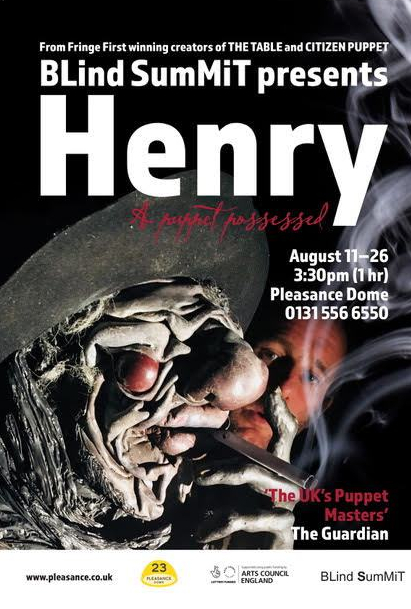
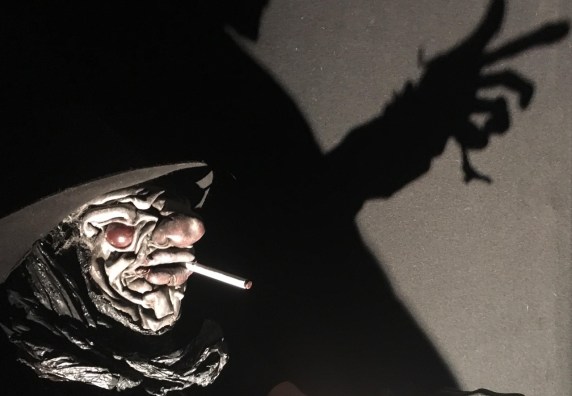
Mark: It’s a one man, three man show with puppetry called “Henry”. It’s narrated by puppeteer, director and “control freak” Mark Down who explores the mystical power of puppetry, assisted by two, slightly sinister, masked puppeteers. Things get out of control when the spirit of “Henry” enters the puppet. Who is “Henry”? What does he want? And is he dangerous? At least I think that’s what it’s about – we’re still making it!
For those who have seen past creations, such as Citizen Puppet (2015) or The Table (2011), are we to expect something similar or not?
Mark: Expect the unexpected. If The Table was the life of a puppet – Henry is about the life of a puppeteer.
If you’re flyering in the Edinburgh streets, what would you say in twenty seconds to convince someone to see Henry?
Mark: Anything might happen, come and see!
What will Mark Down & Blind Summit be doing after the Fringe?
Mark: Sleeping! And thinking about making the next Blind Summit show.
Henry
![[HENRY] _[blindsummit]_pressimage2.jpeg.png](https://mumbletheatre.uk/wp-content/uploads/2018/06/henry-_blindsummit_pressimage2-jpeg.png?w=618)
Pleasance King Dome
Aug 11th–26th (15:30)
www.blindsummit.com
An Interview with Toby Boutall
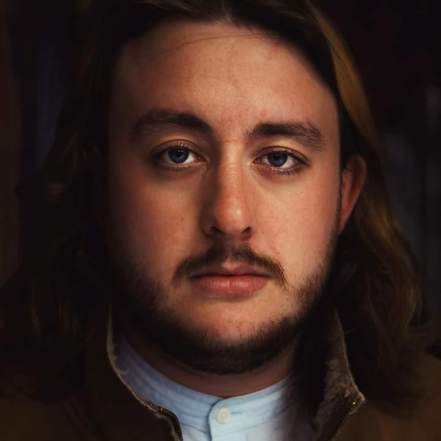
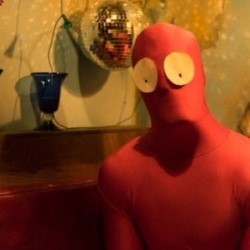
A bonkers, immersive, party of a late night ‘childrens” show is winging its way into Edinburgh this August. The Mumble managed a blether with the creative polymath behind it all…
Hello Toby, so where ya from & where ya at, geographically speaking?
TOBY: I’m originally a Bedford boy, and proud. However, I now live in Kingston way because the train takes twice as long but its ¼ of the price.
What for you makes a good piece of theatre?
TOBY: Something big and ballsy. As long as it doesn’t pander to everyone’s needs then I’ll be up for watching it. Also, pandas. I like pandas.
Over the past few years you have been developing performances and shows that try to challenge the idea of normal theatre? What gave you the impulse to go off tangent, so to speak?
TOBY: I just get bloody bored of watching the same old things over and over again. I started by making a show which was a mix of music, cabaret, lecture, theatre and club night a few years ago called, A Concise History of How One Should Party. It went down an absolute storm… For the 30 or so people who saw it; their reaction got me excited. Ever since then, I’ve wanted to just find some way of presenting this style in a believable style. Added to this, I love people like Eric Andre and Rik Mayall. So what better setting than kids TV!

What have you learnt from the journey about yourself & the theatrical arts?
TOBY: Lots of people complaining but not doing enough themsleves to justify it. Hard work and good relationships are essential. Also, when you’re shucking oysters and telling people you’re writing a mad cap show, people don’t always take you seriously.
How do you know & feel when you have just given a good performance?
TOBY: I’m sweating BUCKETS. Greasy pants.
Can you sum up the Fringe experience in a single sentence?
TOBY: I hope your soul and liver are ready for this Toby.

This year you will be bringing Very Blue Peter to the Fringe. Can you tell us about it?
TOBY: Very Blue Peter is Blue Peter on acid. The show itself centres around a famous controversy from 1998, which we’ve said was all a cover up for something much bigger. It contains: three rogue presenters, JK Rowling, Eurovision, World Cup, Morph, police, drugs, booze and psychedelic rock music. This is the episode of Blue Peter that was never aired.
How does it feel to be the shows writer & a director?
TOBY: Pretty cool! For me, this show is an exact science and it needs to be done is a certain way to make sense. At this point, I think a director would laugh in my face if I presented this idea to them.
Can you describe your cast members in a single word?
TOBY: Lauren Douglin = Biblical
Anthony Fagan = HughJackman
Eliza Hewitt-Jones = Landan
Matt Daniels = Naked
If you’re flyering the show, what would you say in thirty seconds to convince someone to see Very Blue Peter?
TOBY: Do you remember being a kid? No? OK, that’s a bit weird mate. But either way come and see Very Blue Peter. It’s pretty cool mate. I like your shirt. There’s a bulldog at the theatre. There’s not actually a bulldog. But yeh. Blue Peter on acid with a few pints sounds good, no?
What will Toby Boutall be doing after the Fringe?
TOBY: What Toby Boutall does every day. Be disappointed by where life has lead him and pretend on social media that he’s a happy presentable bloke. That and a panto playing the Genie.
Photography : Jackson Bews
Very Blue Peter
Gilded Balloon Teviot
Aug 1st–27th (23:15)
Talking Heads
West Yorkshire Playhouse
Leeds
June 14th-23rd 2018
Script: Stagecraft: Performance:
The monologues which make up ‘Talking Heads’ were originally written for and presented on BBC2 over 25 years ago and I myself have vague recollections of them from that time. They have of course been performed since on the stage but what is special about these performances is that they are taking place here in Leeds where for the most part they were originally set. This is of course as much a Leeds of Bennet’s imagination as it is a real place – a heightened world coloured by fuzzy recollections of his childhood and youth as much as it is reality but what strikes – as ever – about these pieces is their rich sense of detail, their ‘lived-in’ quality which could only come from the most keenest of observers. From the specific number of the bus used to the details of the canteen pudding this is a world which feels startlingly – almost oppressively real at times.
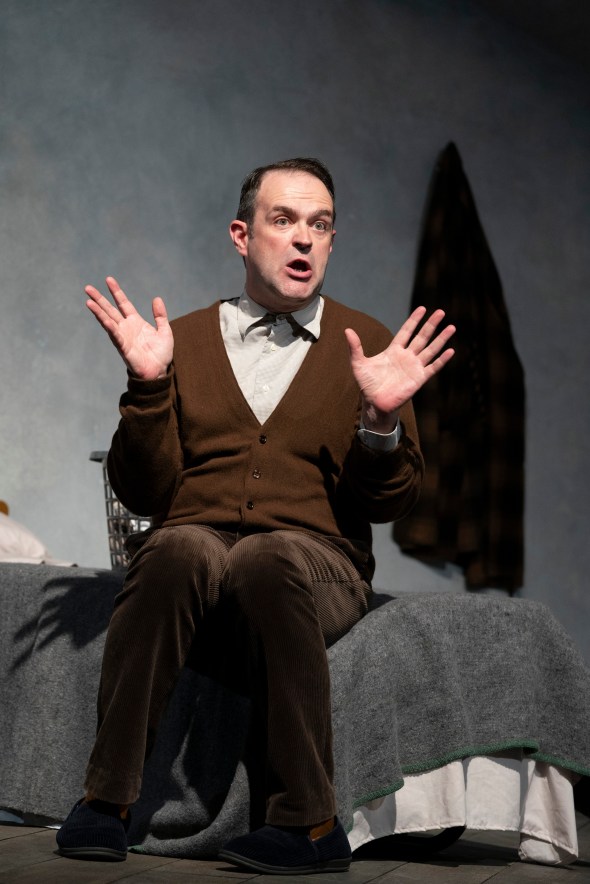
When the first piece “A chip in the sugar” begins we are transported into the fastidious world of Graham a middle aged man living with his mother. Theirs is an uncomfortably close relationship of mutual dependence. Socially isolated Graham takes quiet control of his mother’s opinions in line with his own liberal Guardian reading ways ( something he feels is for her own good ) whilst she rely s on him for physical and practical support. All is well until the arrival of an old flame of his mother’s who gradually wheedles his way into her affections with his superficial charm and flash patter.
Chris Chilton’s performance as Graham is excellent avoiding either a knowing impression of Alan Bennet himself (whose mannerisms the character sometimes embodies) or a campy caricature. He manages to illicit sympathy for what is at times an unlikeable character. He manages to capture both the humour and the desperation of the language making the audience both laugh uproariously whilst in the same breath gasp with shock. By performing small actions such as the folding of his clothes and the pacing of the room we get a sense of the obsessive nature and suppressed anxieties beneath the controlled exterior. When the fear and anger burst out it is with a genuine sense of queasy unease.
It’s very special for various reasons: It’s the last show in the Courtyard before the Playhouse undergoes redevelopment. It’s also my first time directing in my home theatre, and the opportunity to co-direct with James and Amy is really exciting. We’re each of us working with fantastic, generous actors. As you may know, four of the monologues have already been on tour around Leeds, so it’s great to offer them out to our community. It also means we can present a very different show, putting them all together on stage in one big production.
Director: John R Wilkinson
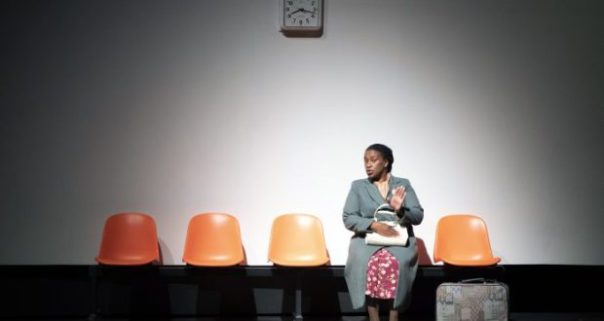
Next came “A woman of no importance” in which we meet Peggy a woman with a sense of herself as the ‘lynchpin’ of her workplace. Flo Wilson gives a subtly powerful performance as Peggy. At first I found her a rather tiresome creation; self-regarding, boring and obsessed with the petty mundanities and power-plays of office life as she is but gradually as the piece progressed my feelings were transformed. Wilson captures a woman both in decline and in denial of her place in the world and the changing nature of her own powers. I began to feel a gradual growing sense of great empathy for a character I had actively disliked and a strange sense of admiration for the self-deluded way in which as her world shrinks Peggy still retains her sense of pride and dignity. What is most impressive about the performance is the physical transformation in which Wilson captures the declining physical powers of Peggy. Wilson manages in her movements to make Peggy grow heavier, wearier and older before our very eyes through subtle shifts in posture, breathing and enunciation. This is also cleverly expressed through the use of costume – her gradual change from smart dress and coat to nightie and bed-jacket , the way Peggy clasps her handbag so tightly– and set as we see the environment gradually change from one of a banal public waiting room to hospital bed.
Finally we have “Soldiering On” in which we find Muriel, a woman of advancing years trying to hold things together in the wake of her beloved husband Ralph’s death. Though clearly a member of the upper classes we see as the piece unfolds a gradual stripping away of both Muriel’s physical comforts and her illusions until she is reduced to a state comparatively worse than either Graham’s or Peggy’s. I ended up finding Muriel in many ways the most appealing of the characters due largely to Tina Gray’s performance. She managed to convey a sense of a woman who underneath her bravado and stiff upper lip was rather lost. Imbuing her with a sense of unworldly niaviety as-well as vigour and pluck she gave Muriel’s suggestion that her story was “not a tragedy -I’m not that sort” the ring of truth to it which just made it all the more heartbreaking.
Throughout the pieces the setting is first rate whether it is letting us into the dreary and claustrophobic bedroom of Graham, the fading glamour of Muriel’s chaise longue and packing boxes or the antiseptic melancholy of Peggy’s hospital bedside. The way in which the sets are changed – particularly by the overalled workmen in Muriel’s living room – is also a sophisticated touch. The use of lighting and sound is minimal but effective too conveying both changes of scene and time and place with shifts in colouration and strength of light.

What shines through – though it is ably abetted by the uniformly excellent cast of course- is the script itself. These three pieces took me on an emotional journey in which I was taken to places I did not expect to go by people I didn’t want to go with. Bennet is able to create characters which have the tang of real life to them with all its ambivalence and complexity. It shows the strength in his writing that even the characters referred to off stage so to speak seem as well rounded and believable as the ones speaking directly to us.
Though there is much humour in the work and I indeed laughed through much of it these three pieces are I feel more tragedies than anything else. Not grand tragedies – that’s not Bennet’s style – but tragedies of lives unlived, of repression, denial and self-delusion, themes which run through these plays like the writing through a piece of Blackpool rock. These are very clever plays indeed which manage with their use of the casual wit and trivial mundanities of ordinary speech to explore difficult topics such as mental health issues, sexual repression and the damaging binds of family. By tackling these issues with humour, realism and above all humanity Bennet’s work has lost none of its power or relevance over a quarter of a century after they were first written.
Ian Pepper

The Complete Works of William Shakespeare (Abridged)
The National Production Company
Assembly Roxy, Edinburgh
13-16th June, 2018
Script: Stagecraft:  Performance:
The Complete Works of William Shakespeare (Abridged) has been a consistent crowd-pleaser since its debut in 1987. A Fringe Festival stalwart, the play has the survival abilities of a cockroach, and the script itself is so tried and tested that it would seem that it would take some effort on the part of a performance troupe to make it anything less than utterly charming and delightful for an audience. The brain child of American writers Adam Long, Jess Winfield and Daniel Singer, The Complete Works… is a light-hearted and irreverent romp through all 37 of the Bard’s plays, consisting of slap stick, farce and pantomime-esque audience participation.
In many ways, this winning formula serves The National Production Company well in their incarnation of the play, currently appearing at Edinburgh’s Assembly Roxy. The fledgling company have an admirable stab at it, employing the requisite high-energy and fast pace, and adhering stolidly to the well-loved, conventional features of the play – the sonnets are handed out on paper, Shakespeare’s biography is confused with that of Adolf Hitler, Titus Andronicus is presented in the style of a cookery show, MacBeth is performed in see-you-jimmy hats and in terrible Scottish accents, Othello is a rap, the ‘Kings’ plays are transformed into a slow-motion American football game.
One of the elements of the play that makes it satisfying for performers is the capacity for improvisation and the requirement for cultural references to be updated and tailored to specific audiences and locations. The play presents many opportunities for The National Production Company to put their stamp on it and really make it their own, but they choose to play it a little too safe. The result is that some of their references seem unimaginative, at points bordering on cliché. Even the decision to use Rick Astley’s ‘Never Gonna Give You Up’ to bookend the show feels like it would’ve had more cache during the Rickrolling phenomenon/Astley renaissance ten years ago.
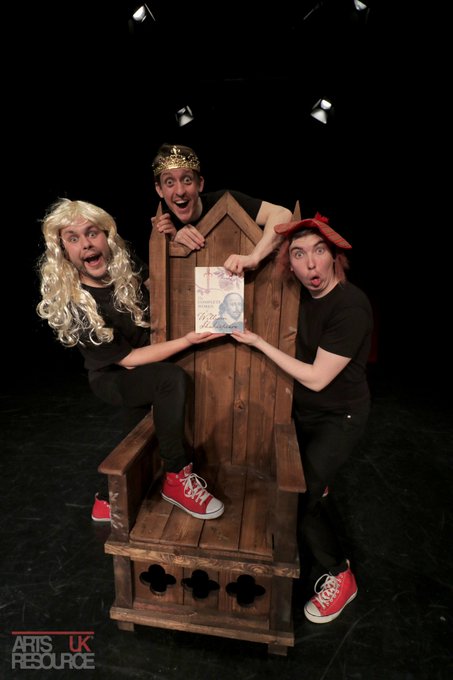
As the play is now 31 years old, some elements of it are badly in need of updating. The implication that a man in a dress doing a high-pitched voice is automatically hilarious doesn’t sit comfortably in 2018. One line about ‘not making things gendered’ in this version seems to acknowledge this, but so weakly, it somehow manages to make it worse. Similarly, the idea that a Southerner affecting a Yorkshire accent is inherently funny has gone out of fashion since Michael McIntyre was called out for classism by justifiably irked northern viewers several years ago. Presenting two men kissing as something to laugh at – really? Still?
It’s a shame that these wide-open opportunities to innovate were missed by The National Production company, as they are clearly a very talented bunch with heaps of passion. Bits of the performance were absolutely pitch-perfect and well-executed – the demanding final scene, with three versions of Hamlet performed at breakneck speed and backwards, and the tightly choreographed prologue to Romeo and Juliet were particular highlights. While a little disappointing, their decision to stick to established formulas is understandable. This was a solidly enjoyable performance, but I think much bigger and better things await The National Production Company.
Kirsty Mcgrory

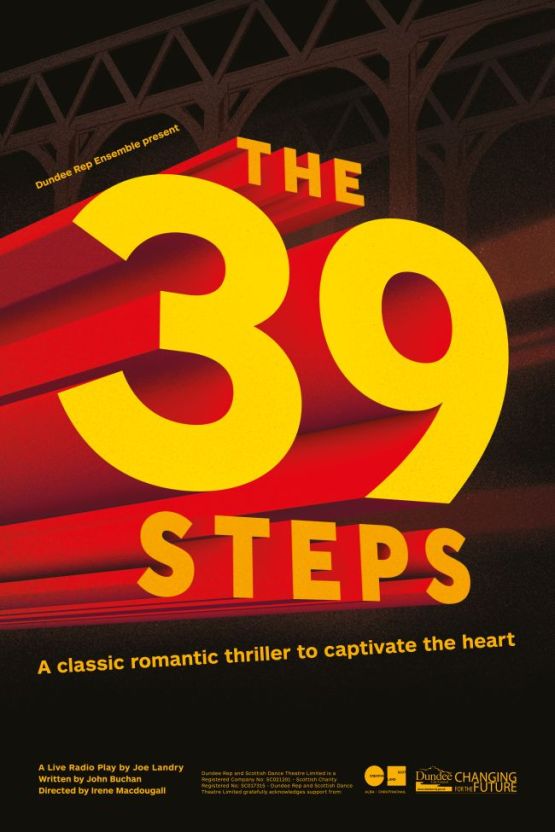
The 39 Steps
Sat 9th June
Murthly Village Hall
Script: Stagecraft: Performance:
This is the ninth season that Dundee Rep have taken theatre into the community to various local venues. This year, director Irene Macdougall and the ensemble are revisiting familiar community venues and have added some new ones to the itinerary. There is something quite magical in the idea of a touring theatre and this Saturday night performance was packed. There was certainly a bit of a buzz amongst the audience as the hall filled up before the lights went down.
The 39 Steps being one of my all-time favourite movies (Hitchcock’s 1935 version, not any of the lacklustre remakes), I was keen to see what Dundee Rep’s ensemble would make of this classic Buchan ripping yarn. Would this Richard Hannay be a suave prototype James Bond, who takes his ladies’ kisses without asking? Or perhaps the comic Hannay of Simon Corble’s 1996 stage reboot? And how do you squeeze a tale that starts in a London music hall, steams up the Northern Line to Scotland and back to London again onto a stage (little Murthly village hall stage at that)?
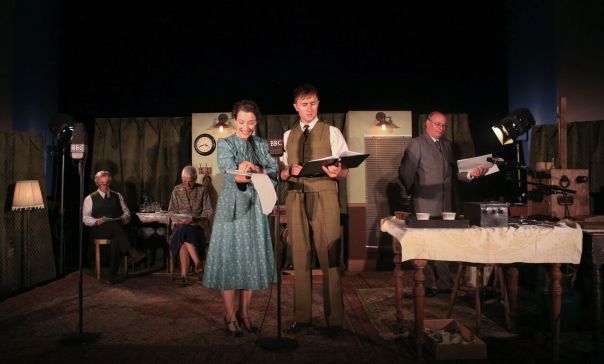
Dundee Rep’s Joe Landry’s 39 Steps takes the conceit of a radio ‘play within a play’. As the lights go down the familiar pips of Greenwich time signal give way to the clipped tones of a Radio Scotland announcer introducing ‘tonight’s live performance’ of Buchan’s play in front of ‘a live audience’ – Hey that’s us! As the action progresses there were moments when, if one closed one’s eyes, one could easily have been listening to a radio drama from the nineteen thirties. Sound effects, mostly all produced ‘live’ by the five actors on stage, were a great part of the pleasure of listening as the familiar plot unfolded.
Ewan Donald’s Hannay is a delightfully upper crust rogue. Dressed for the part in tweeds and brogues, and with an accent that could cut a bar-full of glasses, he playfully keeps up the conceit of the nineteen thirties radio actor playing Richard Hannay. Emily Winter’s Annabella Smith/Pamela are just as playfully done. The awkwardly stifled romantic spark between Hannay and Pamela is the source of much magically amusing moments. Barrie Hunter takes, among a plethora of roles, the character of Professor Jordan to ‘evil genius’ proportions. Billy Mack and Ann Louise Ross take up the remaining cast with some excellent quick-change vocal acrobatics. At points in the action it’s hard to believe that there were only five actors on stage.
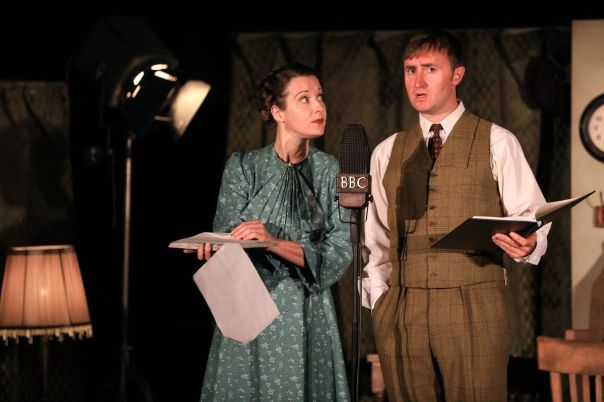
For me, and the appreciative audience in Murthly village hall, much of the comedy of the play was in watching the cast provide the sound effects. Look (or listen) out for the barking dog with excellent comic timing, and the flock of sheep. The excellent sound production never overtakes the plot, and, being created live, is a reminder, like the two old style BBC microphones at front of stage, that this is a radio performance being recreated on stage.
Dundee rep are currently touring venues around Dundee, Angus, Fife and Perthshire until Saturday 23rd Jun. If you want to be seriously entertained for an evening then look out for your nearest venue and get along. The ticket price is worth it twice over!
Mark Mckenzie
TOUR DATES TO COME
| June | Venue | Book Tickets |
| Thu 14 | Dibble Tree Theatre, Carnoustie | 01241 853946 |
| Fri 15 | Menzieshill Community Centre | 01382 432967 |
| Sat 16 | Rio Community Centre, Newport | 01382 543366 |
| Tue 19 | Kirriemuir Town Hall | Click here to book |
| Wed 20 | Forfar Reid Hall | Click here to book |
| Thu 21 | Maxwell Centre, Hilltown | 01382 802628 |
| Fri 22 | Douglas Community Centre | 01382 436944 |
| Sat 23 | Eassie and Nevay Hall | 01307 840839 |
 Mumble Theatre